Hantavirus: A Real Threat in Northern Michigan
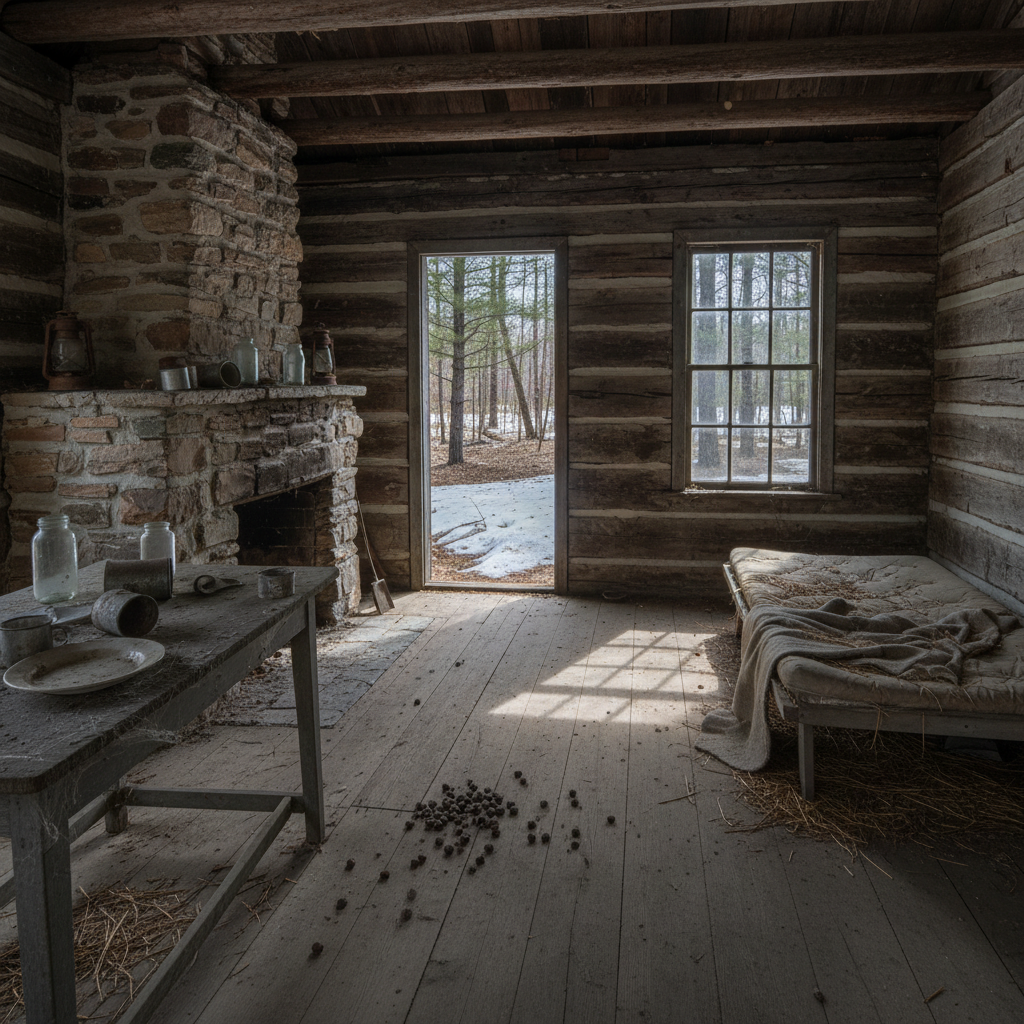
Every spring, thousands of Northern Michigan cabin and cottage owners return to their seasonal properties — often unaware that mice have been living there all winter. While a few droppings might seem like a minor inconvenience, they can carry hantavirus — a potentially fatal respiratory disease.
What Is Hantavirus?
Hantavirus Pulmonary Syndrome (HPS) is a serious illness spread through contact with infected rodent droppings, urine, or nesting material. It is most dangerous when dried droppings are disturbed and particles become airborne.
In the United States, HPS has a fatality rate of approximately 38%. It is not something to take lightly.
Why Northern Michigan Properties Are High Risk
- Rural settings provide easy rodent access
- Seasonal closures leave properties unoccupied for months
- Older structures often have gaps and entry points
- Attics, basements, and crawl spaces are ideal nesting environments
The Most Dangerous Mistake: Sweeping or Vacuuming
Many property owners instinctively sweep or vacuum rodent droppings. This is extremely dangerous. Dry droppings crumble and release hantavirus particles into the air, where they can be inhaled immediately.
Safe Cleanup Protocol (OSHA / CDC Guidelines)
- Ventilate the space — open windows and doors for 30+ minutes before entering
- Wear N95 respirator and gloves — at minimum
- Wet-treat all droppings with EPA-registered disinfectant before touching
- Wipe, don't sweep — use damp paper towels or disposable cloths
- Double-bag all waste in sealed bags for biohazardous disposal
For significant infestations — especially in attics, crawl spaces, or wall cavities — professional remediation is strongly recommended.
911 Bio Clean: Northern Michigan's Rodent Dropping Specialists
We follow strict OSHA and CDC guidelines for hantavirus-safe rodent dropping cleanup. We serve all Northern Michigan seasonal properties including cabins, cottages, barns, and outbuildings.
Before you open your cabin this season, call us at (810) 250-3295 for a professional assessment.

